MalluCart
3× Shopify Sales in 60 Days
From ₹10-12L to ₹18-19L monthly run-rate in 30-60 days

₹18-19L
Monthly sales run-rate
3×+
Shopify gross sales May to July
69×
Google Ads reported ROAS (July)
30-60 days
Migration + CRO Sprint
Problem
Mallucart was running on WooCommerce with a broad imported and premium catalogue. As traffic grew, the stack became harder to scale. Google Ads was already driving demand, but the storefront could not turn that traffic into purchases efficiently.
Approach
We migrated to Shopify as a growth-enabling foundation, then ran a focused 30-60 day CRO Sprint on the highest-impact customer journeys: product pages, discovery, homepage merchandising, trust signals, and mobile purchase flow.

Gifting made easy
Premium imports, sent home with love
NRI shoppers send Gulf favourites to family in Kerala. Clear gifting paths and WhatsApp checkout keep it simple.
What is Mallucart
Gulf focused store for imported premium products. Migration plus CRO sprint by ConvFetti.
Chocolates and treats
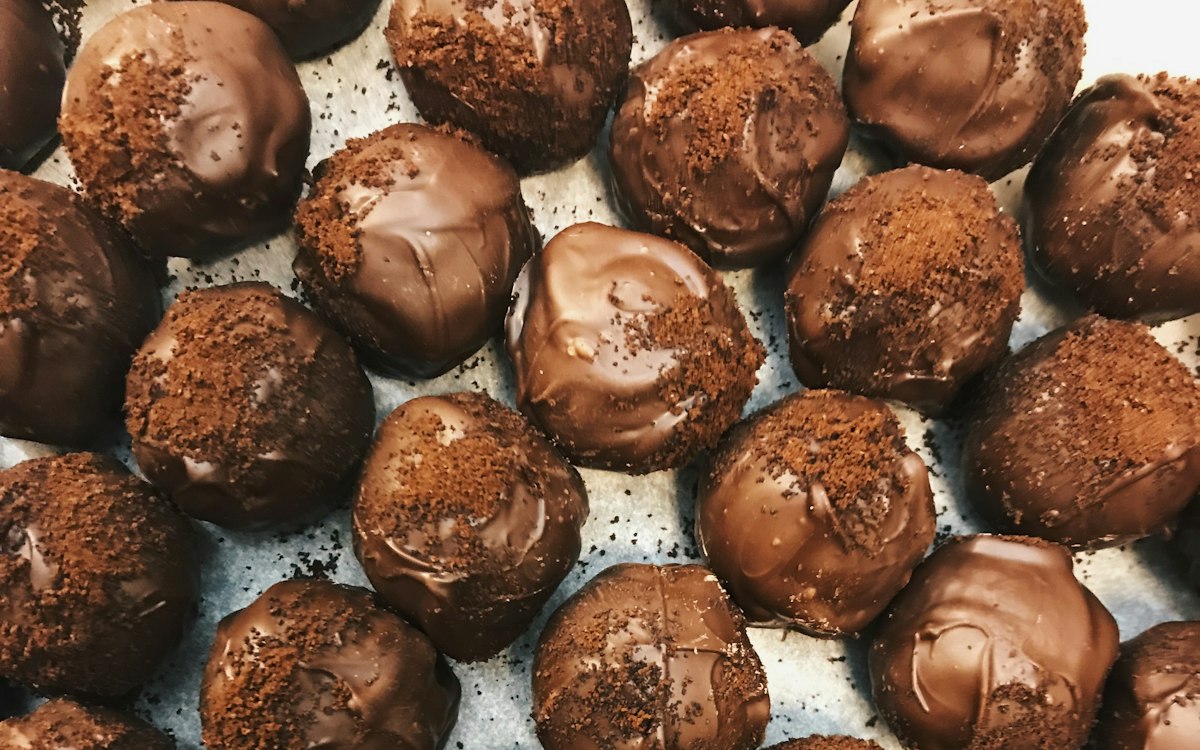
Imported pralines, minis and gift boxes from Galaxy, Merci, Kinder and more.

Saudi dates
Ajwa, Safawi, Mabroom and Medjool, picked for festive gifting.

Arabian attars and oud
Al-Rehab, Afnan and Swiss Arabian oils that Gulf buyers already trust.

Baby formula and care
Similac, Jovie and Sebamed essentials for every age stage.
What Gulf carts actually carry
The real catalogue: chocolates, dates, attars, biscuits and dry fruits.
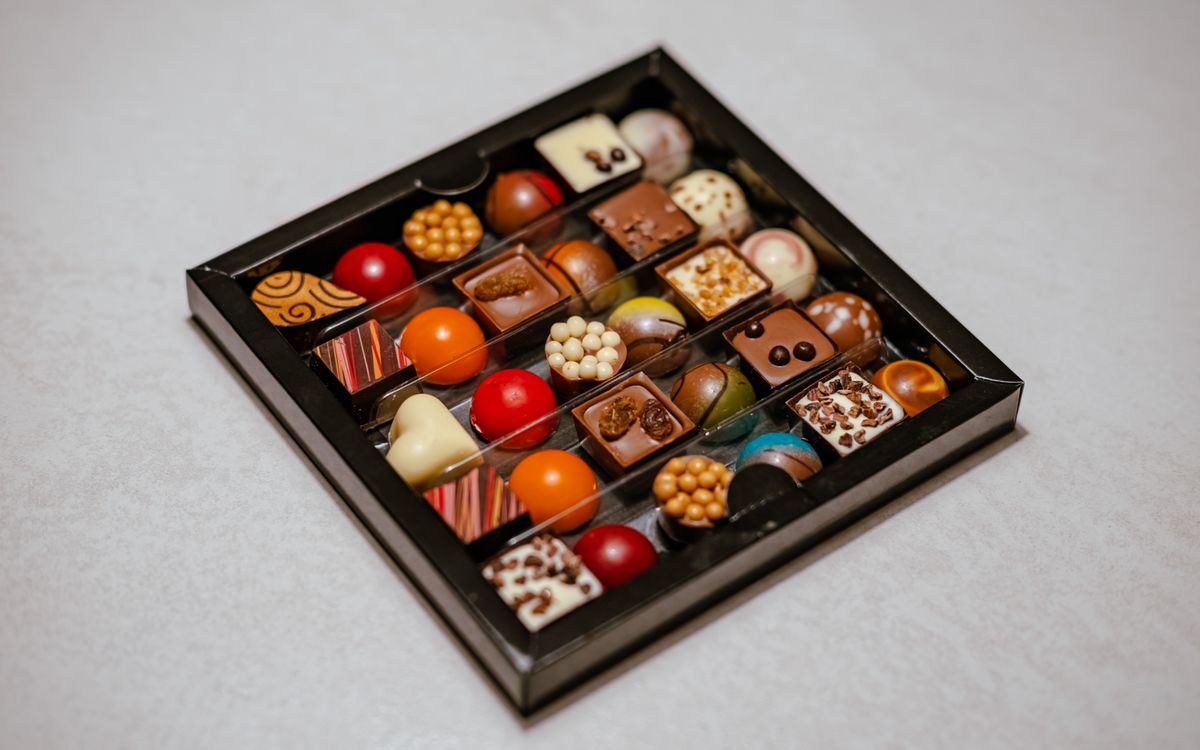
Praline gift boxes

Dates for the family table

Biscuits and wafers
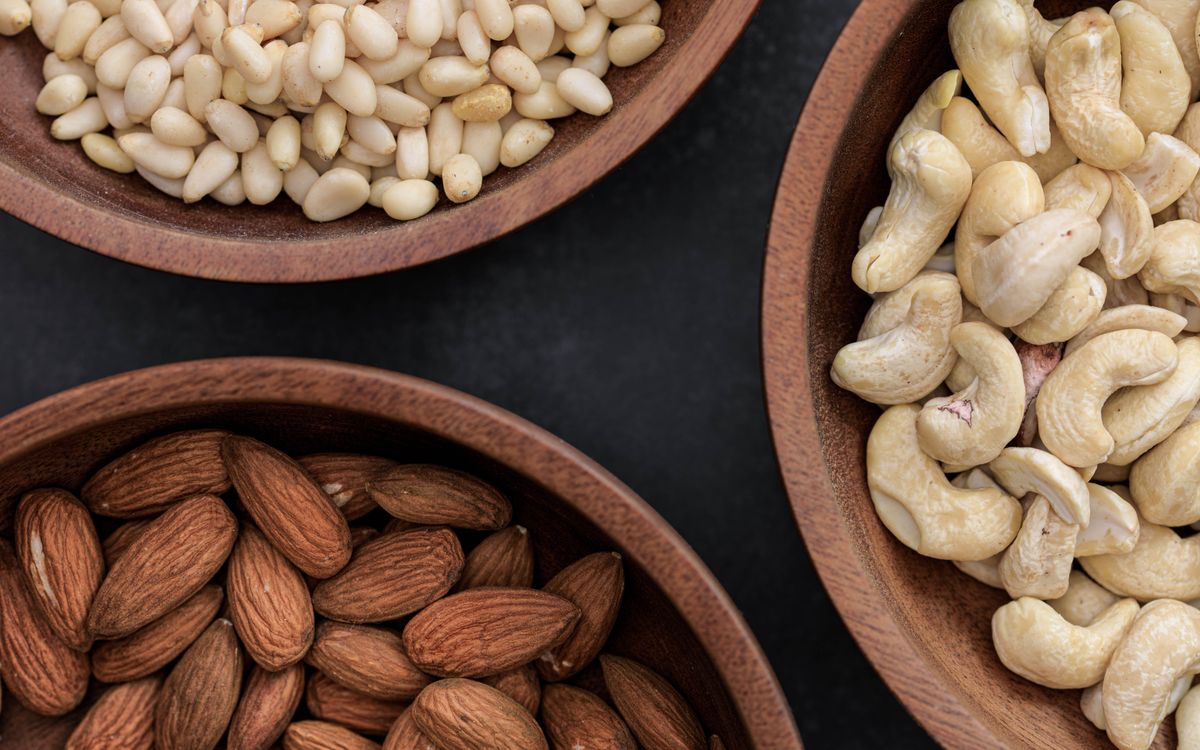
Dry fruits and nuts
Mallucart is an ecommerce business selling imported and premium products across perfumes, chocolates, food, personal care, and baby products. The store was previously on WooCommerce. As traffic and catalogue complexity increased, the existing setup became harder to scale and maintain.
The issue was not only the platform. A meaningful share of demand came through Google Ads, so the business also had a conversion problem:
More traffic only helps when the storefront can turn that traffic into purchases efficiently.
Context and diagnosis
Instead of starting with a visual redesign, the work was framed around first principles.
Customers had to work too hard to understand products, trust the store, and find the right path to purchase. The store had grown into a broad catalogue while the shopping experience had not evolved around that complexity. WooCommerce and plugin constraints also made iteration harder.
Because Mallucart was already buying demand through Google Ads, friction after the click translated directly into wasted acquisition potential.
Fix the foundation first, then optimise the highest-impact points in the shopping journey rather than redesigning everything horizontally.
WooCommerce to Shopify
The migration was treated as a growth-enabling infrastructure change, not a cosmetic redesign.
Objectives included reducing plugin dependency, improving the platform foundation for scale, making store changes easier to ship, and creating a cleaner base for CRO iterations.
Fix the system that makes optimisation expensive before optimising the system itself.
CRO Sprint
After migration, the project moved into a focused 30-60 day CRO Sprint using an 80/20 approach: engineering and design effort concentrated on customer-facing areas most likely to affect purchase behaviour.
Product page
The product page was treated as a decision interface, not an information dump.
Changes included clearer product titles, improved information hierarchy, visible review and trust cues, stronger offer communication, clearer risk-reversal information, and improved WhatsApp purchase assistance.
Decision logic: What is it? → Why trust it? → What does it cost? → Why buy now? → How do I buy?
Product discovery
Mallucart has a large catalogue. The problem was how quickly a visitor could identify the right path. The sprint strengthened discovery around high-intent categories, including baby products organised by age stage:
Homepage and merchandising
The homepage was treated as a merchandising layer answering: What can I buy? What is relevant to me? Where should I go next?
Trust and purchase confidence
For imported and premium products, trust is part of the conversion experience. We made purchase-supporting information easier to find: authenticity positioning, delivery expectations, free shipping, cash on delivery, customer support, and offers.
Mobile
Mobile was treated as a primary purchase environment. The hierarchy was simplified around:
Paid acquisition optimisation
Google Ads was already a core demand channel, so the storefront and acquisition system had to be optimised together.
The question was not “How do we get more clicks?” but “How do we get more value from the clicks we already pay for?”
Google Ads reported performance
| Month | Ad Spend | Conversion Value | ROAS |
|---|---|---|---|
| May 2026 | ₹11.2K | ₹1.34L | 11.91× |
| June 2026 | ₹10.7K | ₹4.48L | 41.81× |
| July 2026 | ₹22.4K | ₹15.46L | 69.06× |
Google Ads-reported conversion value increased by more than 11× from May to July, while reported ROAS increased from 11.91× to 69.06×.
In July, Performance Max alone reported approximately ₹11.23L in conversion value from ₹9.05K spend in the platform report.
Important: Shopify export is gross sales. Google Ads numbers are platform-reported conversion value. They are presented separately rather than treated as the same metric. Do not present Google Ads figures as incremental revenue caused solely by CRO.
Store sales trend
| Month | Shopify Gross Sales |
|---|---|
| May 2026 | ₹5.02L |
| June 2026 | ₹9.45L |
| July 2026 | ₹17.23L |
That is more than 3× growth in Shopify gross sales from May to July.
The growth model
This project is best understood as three connected interventions:
- Migration: Fix the foundation
- CRO Sprint: Fix the customer journey
- Acquisition optimisation: Improve the economics of paid traffic
Together, these created a stronger ecommerce growth system.
What went well
- Solved a platform constraint instead of only polishing the surface
- Connected CRO decisions to acquisition economics
- Focused on high-impact customer journeys
- Converted a broad catalogue problem into clearer shopping paths
What could be better next time
- Capture baseline conversion rate before migration
- Capture device split and funnel drop-off before the Sprint
- Record every CRO hypothesis before shipping
- Tag each experiment with launch date and expected metric movement
- Record ad-platform changes separately from onsite changes to improve attribution confidence
The point of the project
Mallucart did not need another “beautiful ecommerce website.” It needed to remove friction from a live revenue system.
The work combined platform engineering, CRO, merchandising, and paid acquisition thinking, with optimisation effort concentrated where it could matter most.
Bought on the phone

Honey and walnuts

Cookies for tea time

Sourced in the Gulf, stocked and dispatched with care
Authenticity, delivery, free shipping, COD, and support surfaced before checkout for imported and premium products.

Easy checkout
COD and payments buyers trust
Cash on delivery, free shipping and WhatsApp support remove last minute doubt.
Outcome
Shopify gross sales grew from ₹5.02L in May to ₹17.23L in July, more than 3× in two months. The business reached an approximately ₹18-19L monthly sales run-rate. Google Ads reported ROAS rose from 11.91× to 69.06× over the same period (platform attribution, read alongside store sales).